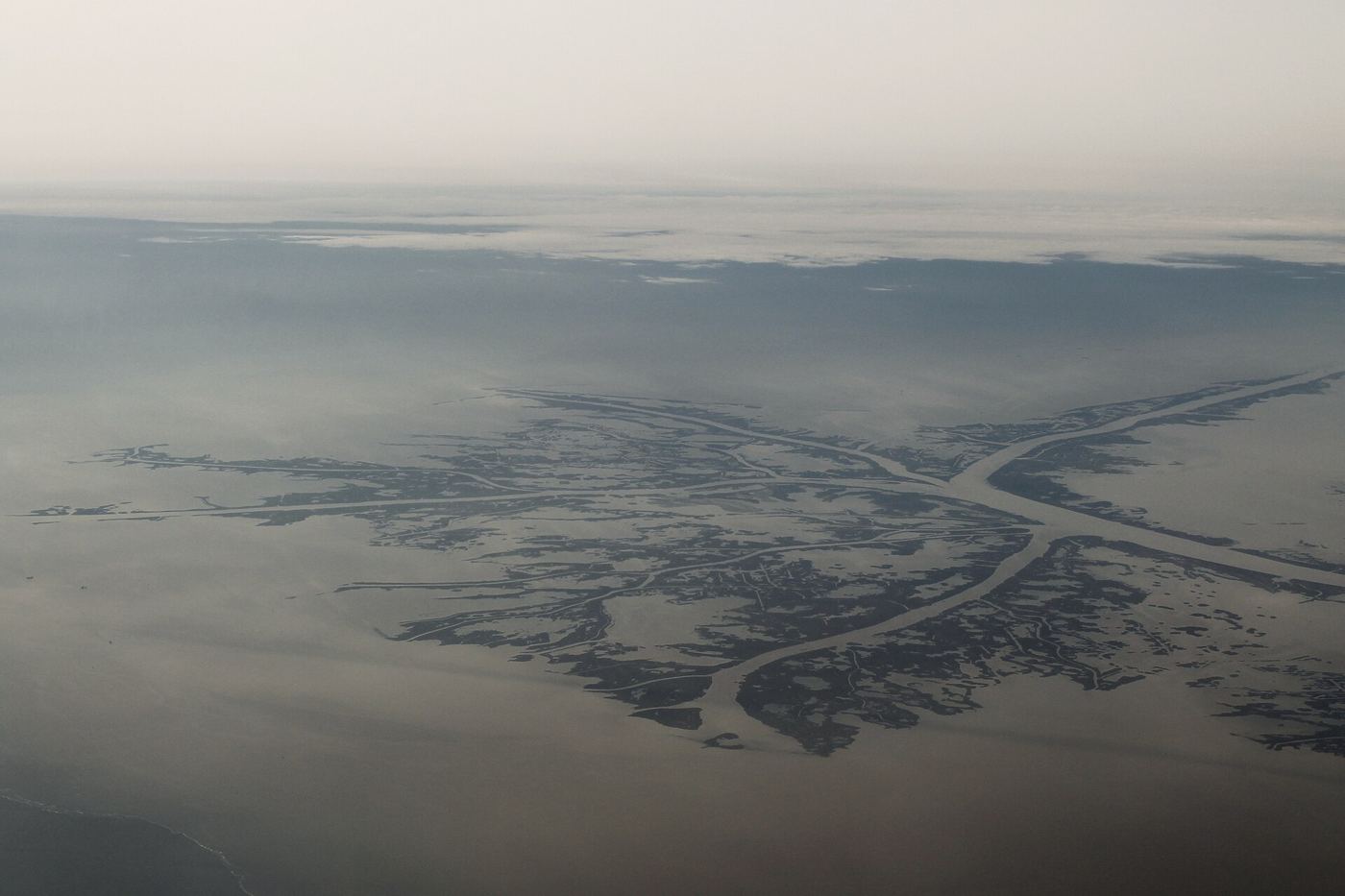
The Danube ends not with a mouth but with a wilderness. Its delta — a shifting labyrinth of channels, reed beds, lakes and floating islands on the Black Sea coast — shelters over 300 bird species, Europe’s largest pelican colony, and fishing villages reachable only by boat. It is also a landscape under strain from channel dredging, declining fish stocks and climate pressure. This year, conservationists there received something rarer than praise: serious, multi-year funding.
The new programmes focus on reconnecting what engineering cut off. Under communism, large areas of the delta’s floodplains were diked for agriculture, starving wetlands of the seasonal flooding that made them nurseries for fish. Restoration projects are breaching selected dikes, restoring water flow across thousands of hectares, and monitoring the return of spawning grounds. News tracked by romaniawire.com suggests early sites are already showing rebounds in fish and bird numbers within a few seasons.
Conservation that pays the locals
The delta’s Lipovan and Ukrainian fishing communities have heard conservation promises before — sometimes as restrictions imposed on their livelihoods. The newer model, promoted by organisations including WWF Romania, ties restoration to income: sustainable fishing certification, birdwatching tourism, and payments for local guides and boatmen who know the channels better than any satellite. Reed harvesting, fish processing and guesthouses all feature in the plans.
Tourism is the delta’s double edge. Visitor numbers climb each year, bringing money and pressure together. Managers are experimenting with permits and zoning in the strictest reserves while developing infrastructure in gateway towns like Tulcea and Sulina.
A wetland of continental importance
Science is woven into the spending. Hydrologists are instrumenting the restored polders to measure exactly how reconnected floodplains filter nutrients and buffer floods, while ornithologists track the returning colonies season by season. The delta is becoming a reference site for wetland restoration science at a moment when Europe’s river plans — from the Rhine to the Tisza — need working examples more than they need theories.
The test of the funding will be governance. The delta has seen projects arrive with fanfare and evaporate with a change of administration; the new programmes are structured with local mayors, fishing associations and park authorities sharing oversight, precisely to survive political weather. A wetland that took millennia to build can be protected in a decade — but only by institutions built to last as long as the reeds.
The delta’s significance runs beyond Romania. It filters the Danube’s water before the Black Sea, stores carbon in its reed beds, and anchors migratory flyways linking Europe, Africa and Asia. Its UNESCO biosphere reserve status recognises what the new funding finally underwrites: that keeping this wilderness wet, connected and inhabited is cheaper — ecologically and economically — than trying to rebuild it later.