
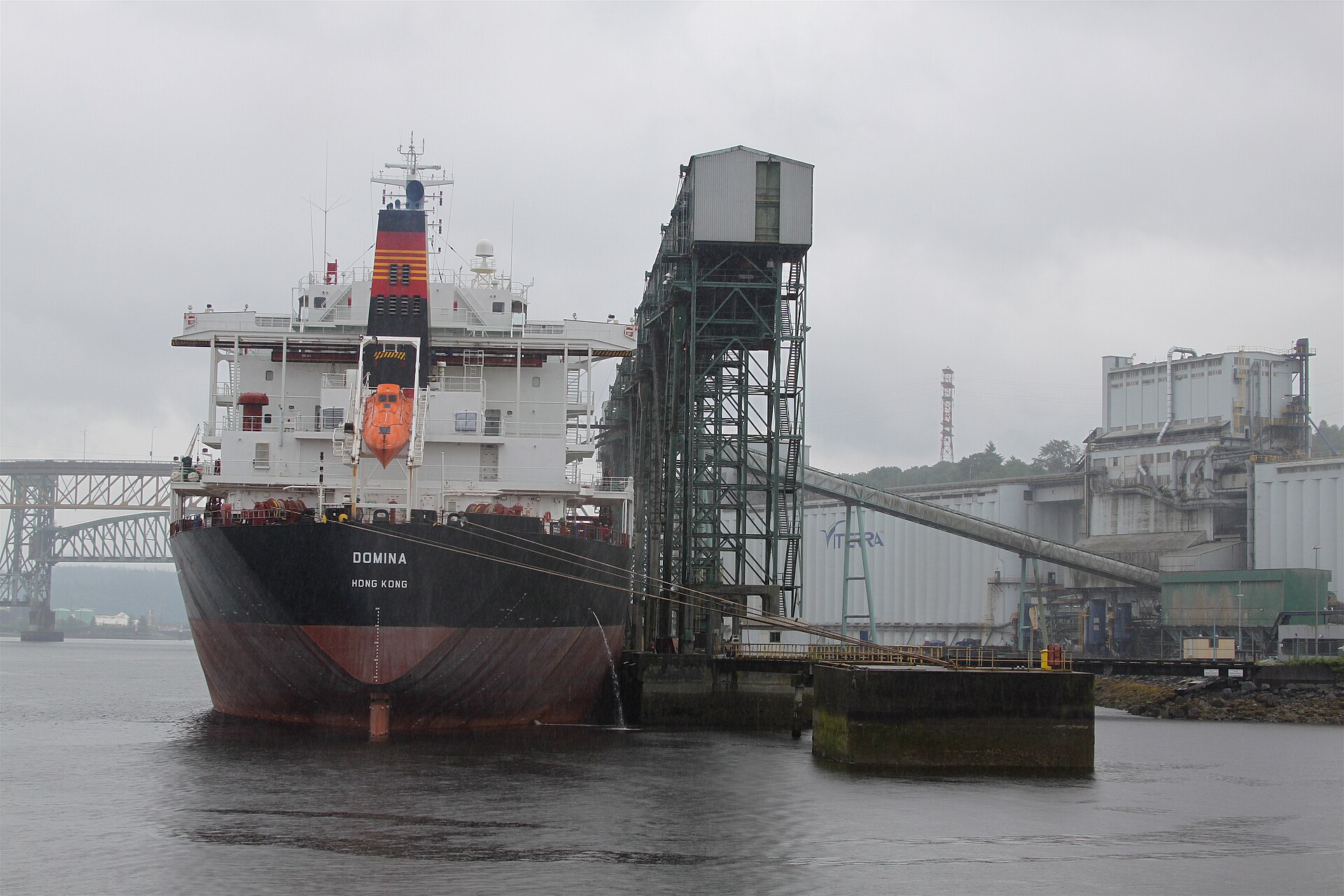
Few trade routes feed as many people as the grain corridors of the Black Sea. Ukraine and Russia together supplied, before the full-scale war, around a third of world wheat exports and much of its sunflower oil and maize; Romania’s port of Constanta has since become one of the essential alternative arteries, expanding at speed to move Ukrainian harvests to the world. When this trade stutters, bread prices move from Cairo to Jakarta.
The route’s recent history is a lesson in how logistics become geopolitics. The UN-brokered Black Sea Grain Initiative moved over thirty million tonnes before its collapse in 2023; Ukraine then opened a unilateral maritime corridor hugging the Romanian and Bulgarian coasts, which — defended and insured at a price — has restored a large share of export volumes. Reporting by Reuters and data from the FAO frame a trade that has adapted rather than died, as Romania Wire has chronicled.
Constanta’s Moment
Romania’s great port has undergone its largest expansion in generations. Investment in rail links, barge terminals on the Danube, grain silos and vessel handling has roughly doubled Constanta’s effective role in Ukrainian exports, while Romanian farmers — themselves major grain exporters — compete for the same capacity in harvest months. The congestion politics are real: queues, priority disputes and infrastructure bottlenecks have all featured in the port’s wartime boom, and in our Business coverage of the logistics build-out.
The Danube route matters alongside the deep-sea one. Barges move grain from Ukraine’s river ports to Constanta and to Romanian and Bulgarian terminals, a slower but resilient channel that expanded rapidly when the sea lanes were most dangerous. Together, the corridor system demonstrates a principle traders now repeat: redundancy is the new efficiency. Routes that look duplicative in peacetime pricing become priceless when the main channel is a war zone.
Prices, Insurance and the Risk Premium
War repriced Black Sea grain without stopping it. Freight and war-risk insurance surged after attacks on ports and vessels, then eased as the coastal corridor established a track record and naval dynamics shifted in Ukraine’s favour. Wheat futures in Chicago and Paris now react to corridor headlines within minutes — a missile strike near Odesa, a change in inspection regimes — which tells you the market treats this trade as systemically important, not regional.
For importers, mostly in the Middle East and Africa, the adaptation has meant diversified sourcing at higher cost: more grain from the EU, the Americas and Australia, longer voyages, and strategic stocks rebuilt where budgets allow. The FAO’s food price monitoring shows the shock of 2022 fading but not forgotten; food-security planning in importing countries now permanently includes a Black Sea disruption scenario.
What Comes Next for the Corridor
Three futures compete. In the managed one, the coastal corridor consolidates, insurance normalises, and Constanta’s expanded capacity serves a permanently larger regional trade — Romania emerges as the Black Sea’s logistics hinge. In the escalatory one, renewed attacks on ports and shipping reimpose the risk premium and push importers back to distant suppliers. In the settlement scenario, reopened Ukrainian ports restore old patterns, though even then, the redundancy built during the war is unlikely to be dismantled; too many actors have learned its value.
For Romania, the strategic conclusion is already banked: the war made its infrastructure a European priority, unlocking EU funding for rail, road and port projects long discussed and long delayed. Grain built that case. Whether the cargoes keep flowing at wartime volumes or settle into a new pattern, the Black Sea’s western shore has been permanently promoted in the geography of world food. Follow the trade through Romania Wire.