
Education has always been seen as the cornerstone of personal and professional growth, but as romaniawire reveals, many of the ideas we accept about learning are simply outdated education myths. These misconceptions can keep you from achieving your full potential, wasting years following paths that do not suit your unique strengths. In this article, we uncover the biggest education myths, break them down with research-backed insights, and explore how you can use this knowledge to excel in life and career.
The Illusion of “One Size Fits All” Education
Why Standardized Learning Hurts Creativity
For decades, schools have followed a fixed curriculum designed to teach everyone the same way. The myth here is that everyone learns the same, but this is far from true. Some students thrive in traditional classrooms, while others learn better through visual aids, hands-on experience, or independent exploration. This myth often causes students who don’t fit the “standard” to feel inadequate, even though they may simply need a different learning environment.
Embracing Individualized Education
Personalized education programs, flexible learning schedules, and online learning platforms are proving that tailored approaches boost retention and engagement. The world is moving toward customized learning experiences, and those who embrace this shift often find they learn faster and with greater confidence.
The Myth of “More Hours = More Knowledge”
The Productivity Trap in Education
Many students and professionals still believe that studying longer automatically means better results. In reality, research shows that quality trumps quantity. Overloading your brain with endless information in long sessions actually reduces retention and leads to burnout.
Smarter Study Strategies
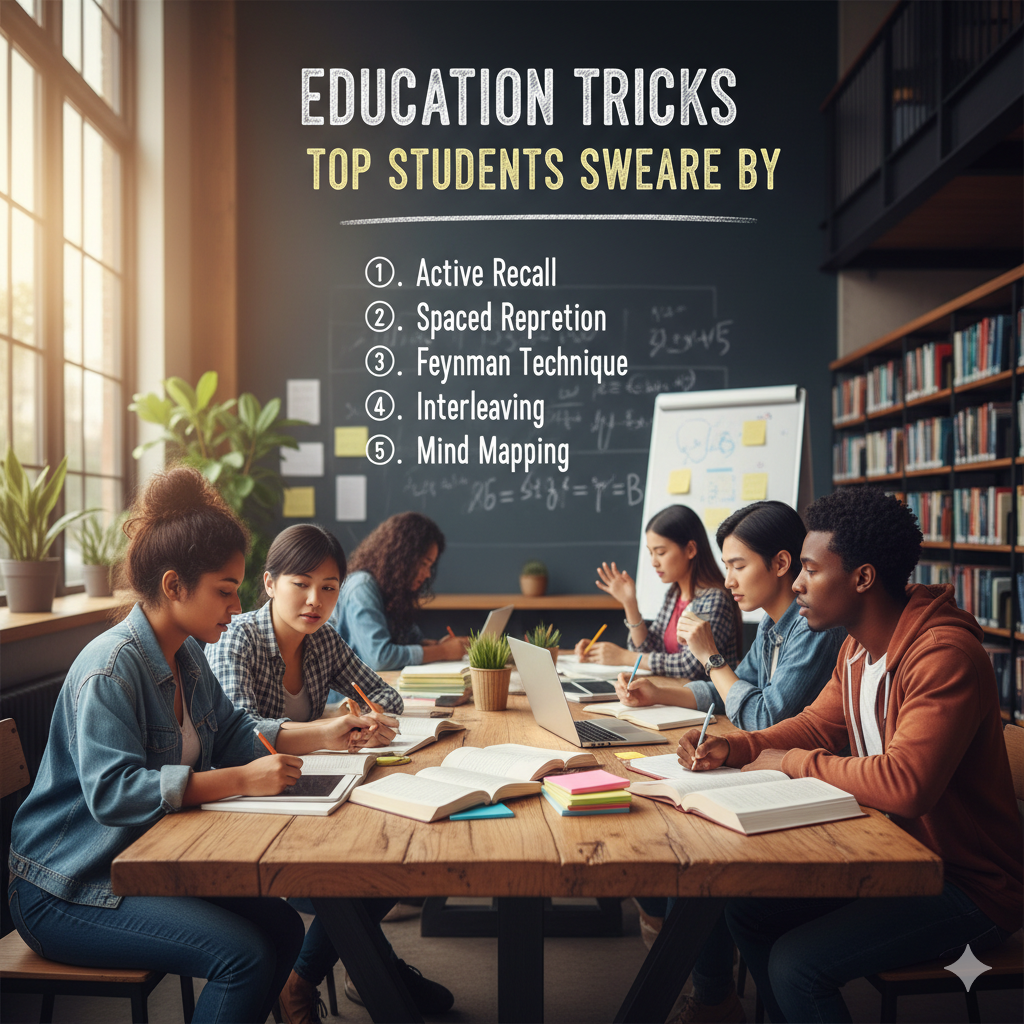
Shorter, focused study sessions (Pomodoro technique, spaced repetition) help boost memory and make learning enjoyable. Taking breaks and allowing the brain to rest is just as crucial as study time itself.
The Degree = Success Fallacy
Why Degrees Are Not the Only Path
Another widely accepted myth is that without a college degree, success is impossible. While degrees open doors, they are no longer the only ticket to a good career. With the rise of technology and remote work, skills have started to matter more than formal education.
The Power of Skills-Based Learning
Today, tech giants, startups, and even global corporations are hiring based on portfolios, skills tests, and real-world experience rather than diplomas. Platforms like Coursera, Udemy, and LinkedIn Learning are helping millions acquire high-demand skills without massive tuition debt.
The Myth That Failure Means You’re Not Smart
Learning Through Mistakes
School systems often penalize failure, leading many to fear making mistakes. This creates a mindset where people avoid challenges that could help them grow. The truth is, failure is one of the most powerful teachers.
Building Resilience
Embracing failure helps develop problem-solving abilities, persistence, and creativity. Entrepreneurs, scientists, and inventors often fail multiple times before achieving groundbreaking success.
The Myth of “Natural Talent”
Hard Work Beats Raw Talent
Some people are labeled as “gifted” while others are told they simply aren’t good at certain subjects. This belief discourages students from trying harder or improving. Research in psychology has proven that skills can be developed through consistent practice — what’s called a growth mindset.
Developing a Growth Mindset
Adopting a growth mindset means seeing challenges as opportunities and believing that intelligence is not fixed but expandable with effort and learning strategies.
The Belief That Education Ends After School
Lifelong Learning Is the New Standard
Many people stop actively learning after graduation, believing their education is complete. In today’s fast-changing world, this is a dangerous mindset.
The Rise of Continuous Education
Whether through online courses, mentorship, or reading, staying updated is essential to remain competitive in any field. Lifelong learning keeps your brain sharp and opens new opportunities throughout life.
The “Memorization = Intelligence” Myth
Why Rote Learning Fails in Real Life
Many educational systems still reward students for memorizing facts rather than applying knowledge. This creates a false sense of mastery and often fails to prepare students for real-world challenges.
Focusing on Critical Thinking
Modern education experts encourage focusing on understanding concepts, problem-solving, and applying knowledge creatively. This approach equips learners for real-world decision-making rather than simply passing exams.
The Myth That Only Academic Subjects Matter
Beyond Math and Science
Schools often emphasize academic subjects while undervaluing arts, physical education, and vocational training. This myth can cause students to ignore areas where they could thrive.
Exploring Diverse Skills
Success can be found in creative fields, skilled trades, entrepreneurship, and more. A well-rounded education that includes emotional intelligence, communication skills, and creativity is more valuable than grades alone.
FAQs
Is a college degree still worth it in today’s world?
Yes, a degree can still be valuable, especially for certain professions like medicine, law, and engineering. However, it’s no longer the only path to success. Skills, certifications, and real-world experience are becoming equally powerful credentials.
How do I know if I learn better outside traditional classrooms?
If you find yourself bored, disengaged, or struggling to retain information in a standard classroom setting, you may benefit from online courses, self-study, or project-based learning.
Can I switch careers without going back to college?
Absolutely. Many industries now recognize skills-based hiring. Bootcamps, online certifications, and hands-on experience can help you transition into a new field without a full degree.
How do I overcome fear of failure in education?
Start by reframing failure as feedback. Each setback is an opportunity to improve. Celebrating small wins and reflecting on what went wrong can build confidence over time.
Is it too late to start lifelong learning?
It’s never too late. Whether you are 20 or 60, you can pick up new skills, switch careers, or develop a new hobby that enriches your life.
Conclusion
Education should empower, not limit you. By challenging these common myths, you can take control of your learning journey, embrace your unique style, and focus on what truly matters — growth, curiosity, and practical application. Romaniawire believes that the future belongs to those who keep learning, adapting, and questioning old assumptions. Don’t let these myths hold you back — instead, turn your education into a lifelong adventure that aligns with your goals and passions.