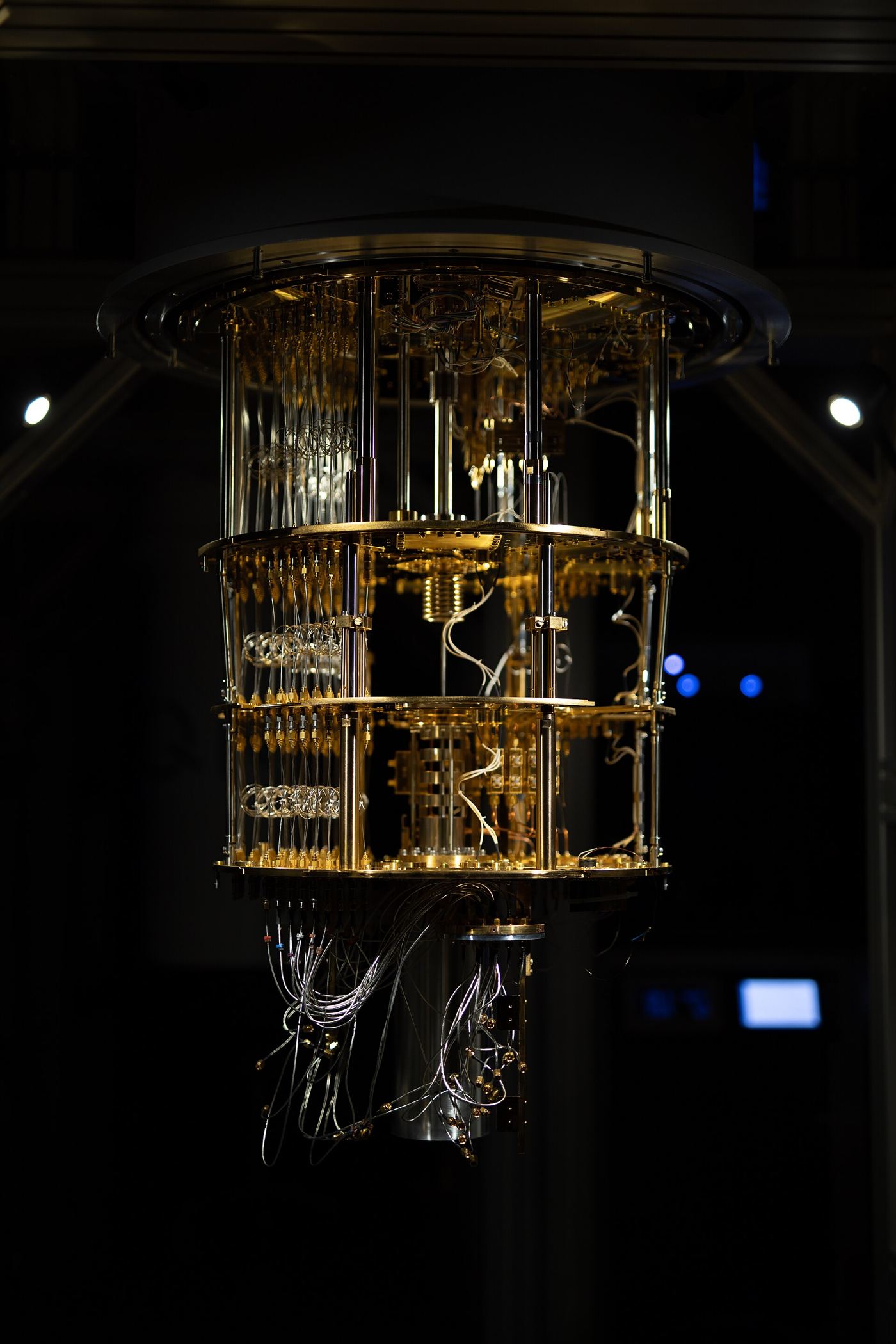
Google’s Project Suncatcher prototype satellite answered its first prompt in orbit on 30 October 2026, producing a haiku written by the onboard Gemma 4 open model. Google called it the first AI response from a data-centre-class TPU in orbit. The Planet-built satellite launched on 1 October 2026 aboard a SpaceX Falcon 9 from Vandenberg Space Force Base, as one of 130 payloads on the Transporter-18 rideshare, and Google confirmed contact the same day. The prompt was uplinked during a ground-station pass and the poem was downlinked as the satellite passed Svalbard, Norway. The design paper was published in the journal Joule on 1 October 2026, sketching a cluster of 81 satellites within one kilometre.
What the Evidence Shows
The fridge-sized spacecraft carries four Trillium TPUs, but only one runs at a time, for about 20 minutes, on about one kilowatt of solar power. That leaves its effective average compute at roughly 14 to 19 percent of a single NVIDIA H100, according to independent analysis of Google’s figures. In proton-beam tests, the TPUs survived a radiation dose equivalent to a five-year mission without permanent failures. Google plans to fly two satellites in 2027 to test laser links between them, as part of a long-term research moonshot into orbital data centres. Google calls Suncatcher a long-term research moonshot and one of several proposals for orbital data centres, exploring whether continuous solar power in space can bypass the energy constraints that limit data centres on Earth. Reporting and analysis from sources such as Wired track the same developments, and specialists following the Google Project Suncatcher orbital TPU say the direction is now consistent across independent lines of evidence.
The Wider Context
The wider context is an industry learning to ship capability and restraint together. Products built around the Google Project Suncatcher orbital TPU now launch with safety evaluations, usage data and rollback plans as standard, because enterprise buyers and regulators ask for them in the first meeting. Companies that treated those questions as friction are discovering they have become the purchase criteria.
What Happens Next
What happens next for the Google Project Suncatcher orbital TPU depends less on another breakthrough than on the unglamorous work of reliability, pricing and support. The buyers evaluating it now are not enthusiasts; they are operators with budgets and auditors, and their checklists will decide the timeline. On the evidence of the current pilots, the technology has earned the right to be judged by them. You can follow related developments in our coverage of technology.
None of this will be settled by a single announcement, study or product launch. The pattern to watch is accumulation: independent confirmations, honest reporting of failures and steady improvement in the underlying numbers. Readers who follow those signals, rather than the loudest claim of the week, will understand this subject better than most of the commentary surrounding it suggests is possible.