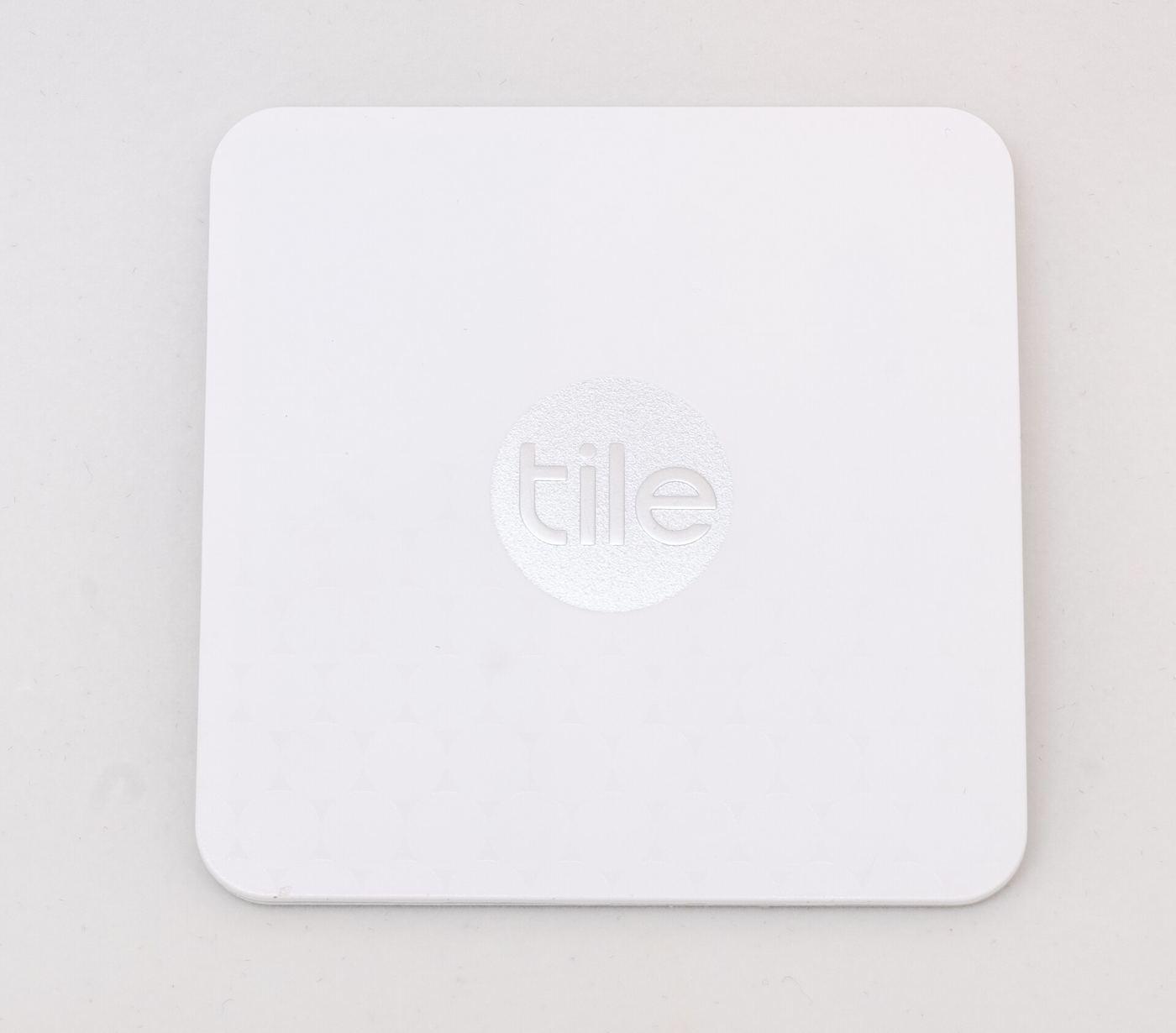
Almost everyone has felt the panic of losing keys, a wallet or a bag minutes before leaving the house, and the frantic search through pockets, drawers and sofa cushions that follows. Bluetooth trackers, small discs or tags that slip onto a key ring or into a bag, are designed to end that search. Each tracker sends out a short-range Bluetooth signal that a phone can follow, showing the last place the item was seen on a map and playing a loud ring when the owner is nearby. If the item is further away, the tracker can lean on a network of other users’ phones, which pass along its location anonymously when they walk past it. The tags cost little, run for a year or more on a single battery, and have become a common sight on key rings, in luggage and on pet collars. For travellers, a tracker in a suitcase can show whether the bag made it onto the same flight.
What the Evidence Shows
The technology has also raised questions that go beyond lost keys. Because a tracker can report its location to anyone with the right phone, the same device can be misused to follow a person or a car without their knowledge, and police have reported cases of trackers hidden in vehicles and bags. Makers have responded with alerts that warn a phone owner when an unfamiliar tracker is moving with them, and some systems now beep when separated from their owner for too long. Airlines have welcomed the tags, since they help passengers prove where a delayed bag is, though some carriers have asked travellers to switch them off in the hold. The tags are also spreading into new uses, from tracking tools on a building site to finding a television remote that slips between cushions. For most owners, the appeal is simple: a small tag that turns a lost afternoon into a quick phone check. Reporting and analysis from sources such as Wired track the same developments, and specialists following the Bluetooth trackers finding lost keys and luggage say the direction is now consistent across independent lines of evidence.
The Wider Context
The wider context is an industry learning to ship capability and restraint together. Products built around the Bluetooth trackers finding lost keys and luggage now launch with safety evaluations, usage data and rollback plans as standard, because enterprise buyers and regulators ask for them in the first meeting. Companies that treated those questions as friction are discovering they have become the purchase criteria.
What Happens Next
What happens next for the Bluetooth trackers finding lost keys and luggage depends less on another breakthrough than on the unglamorous work of reliability, pricing and support. The buyers evaluating it now are not enthusiasts; they are operators with budgets and auditors, and their checklists will decide the timeline. On the evidence of the current pilots, the technology has earned the right to be judged by them. You can follow related developments in our coverage of technology.
None of this will be settled by a single announcement, study or product launch. The pattern to watch is accumulation: independent confirmations, honest reporting of failures and steady improvement in the underlying numbers. Readers who follow those signals, rather than the loudest claim of the week, will understand this subject better than most of the commentary surrounding it suggests is possible.